2026 a_l__o_t_design® Studio722
2026 a_l__o_t_design® Studio722
2026 a_l__o_t_design® Studio722

Higer Siemens buses
Higer Siemens buses
Developed at the Mobility Observatory of the National University of Colombia in collaboration with Higer, Siemens, and a multidisciplinary team, this project reimagined the future of Bogotá's TransMilenio system through innovative bus concepts focused on sustainability, passenger experience, and next-generation urban mobility.
Developed at the Mobility Observatory of the National University of Colombia in collaboration with Higer, Siemens, and a multidisciplinary team, this project reimagined the future of Bogotá's TransMilenio system through innovative bus concepts focused on sustainability, passenger experience, and next-generation urban mobility.
Developed at the Mobility Observatory of the National University of Colombia in collaboration with Higer, Siemens, and a multidisciplinary team, this project reimagined the future of Bogotá's TransMilenio system through innovative bus concepts focused on sustainability, passenger experience, and next-generation urban mobility.

Year
Year
Public Transit Bus Concept / 2015
Public Transit Bus Concept / 2015
Industry
Industry
mobility and transportation design
mobility and transportation design
Scope of work
Scope of work
/
01 - Mobility & Transportation
01 - Mobility & Transportation
01 - Mobility & Transportation
Timeline
Timeline
3 months
3 months
Rethinking Public Transportation
As Bogotá continued to grow, its Bus Rapid Transit system faced increasing pressure from rising passenger demand, aging infrastructure, and evolving mobility expectations. The challenge was to envision a more efficient, accessible, and future-ready public transportation system.
As Bogotá continued to grow, its Bus Rapid Transit system faced increasing pressure from rising passenger demand, aging infrastructure, and evolving mobility expectations. The challenge was to envision a more efficient, accessible, and future-ready public transportation system.
The TransMilenio network successfully transformed mobility in Bogotá, yet growing populations and changing urban dynamics revealed opportunities for improvement. Passenger comfort, accessibility, operational efficiency, vehicle identity, and environmental impact became key areas for innovation. The project explored how industrial design could redefine public transportation while preserving the efficiency of an established BRT system.
The TransMilenio network successfully transformed mobility in Bogotá, yet growing populations and changing urban dynamics revealed opportunities for improvement. Passenger comfort, accessibility, operational efficiency, vehicle identity, and environmental impact became key areas for innovation. The project explored how industrial design could redefine public transportation while preserving the efficiency of an established BRT system.


Future Transit Vision
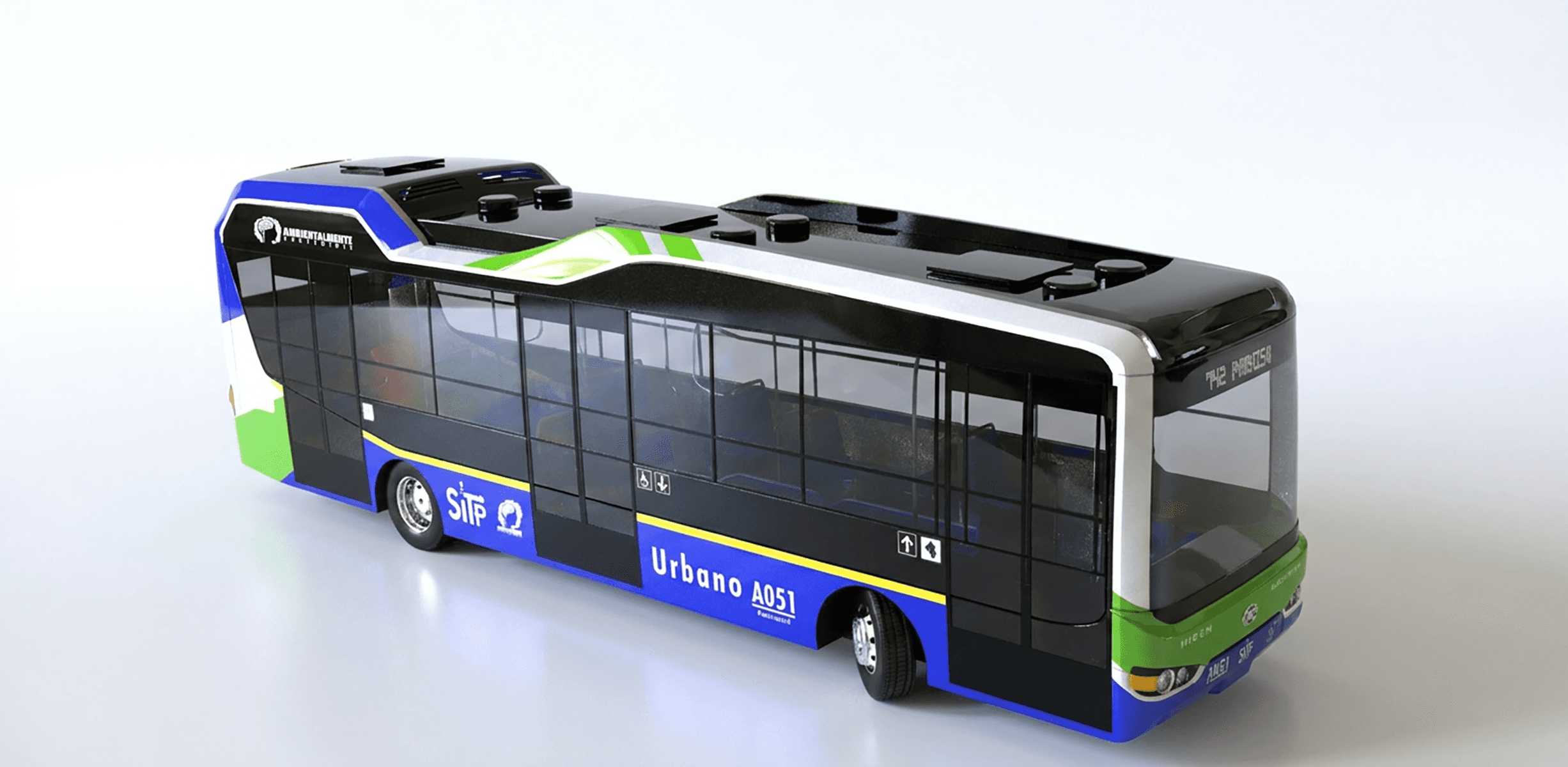
Rather than redesigning a single vehicle, the project proposed a complete vision for the future of Bus Rapid Transit by integrating industrial design, branding, passenger experience, and emerging mobility technologies into a cohesive transportation ecosystem.
Rather than redesigning a single vehicle, the project proposed a complete vision for the future of Bus Rapid Transit by integrating industrial design, branding, passenger experience, and emerging mobility technologies into a cohesive transportation ecosystem.
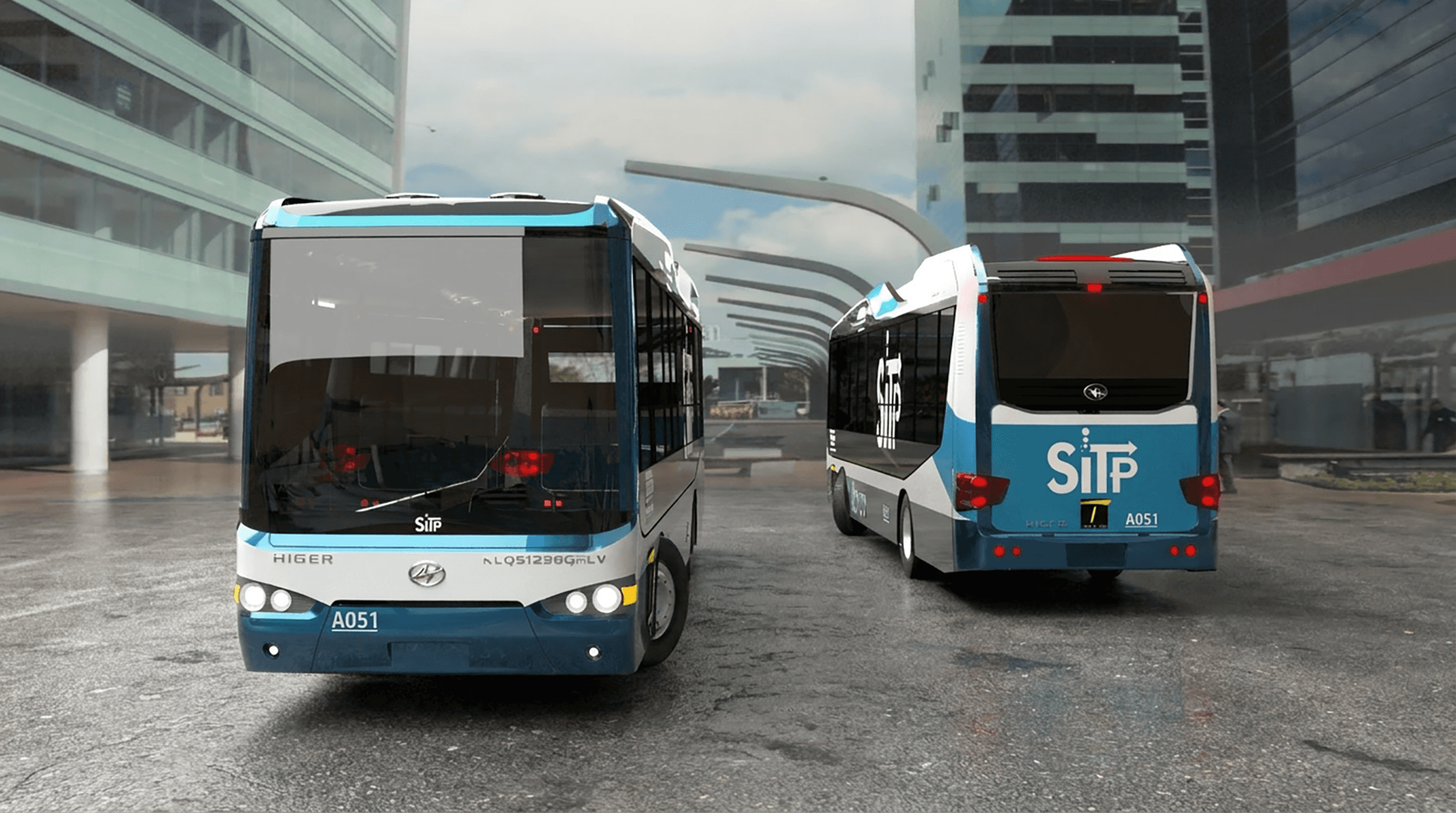
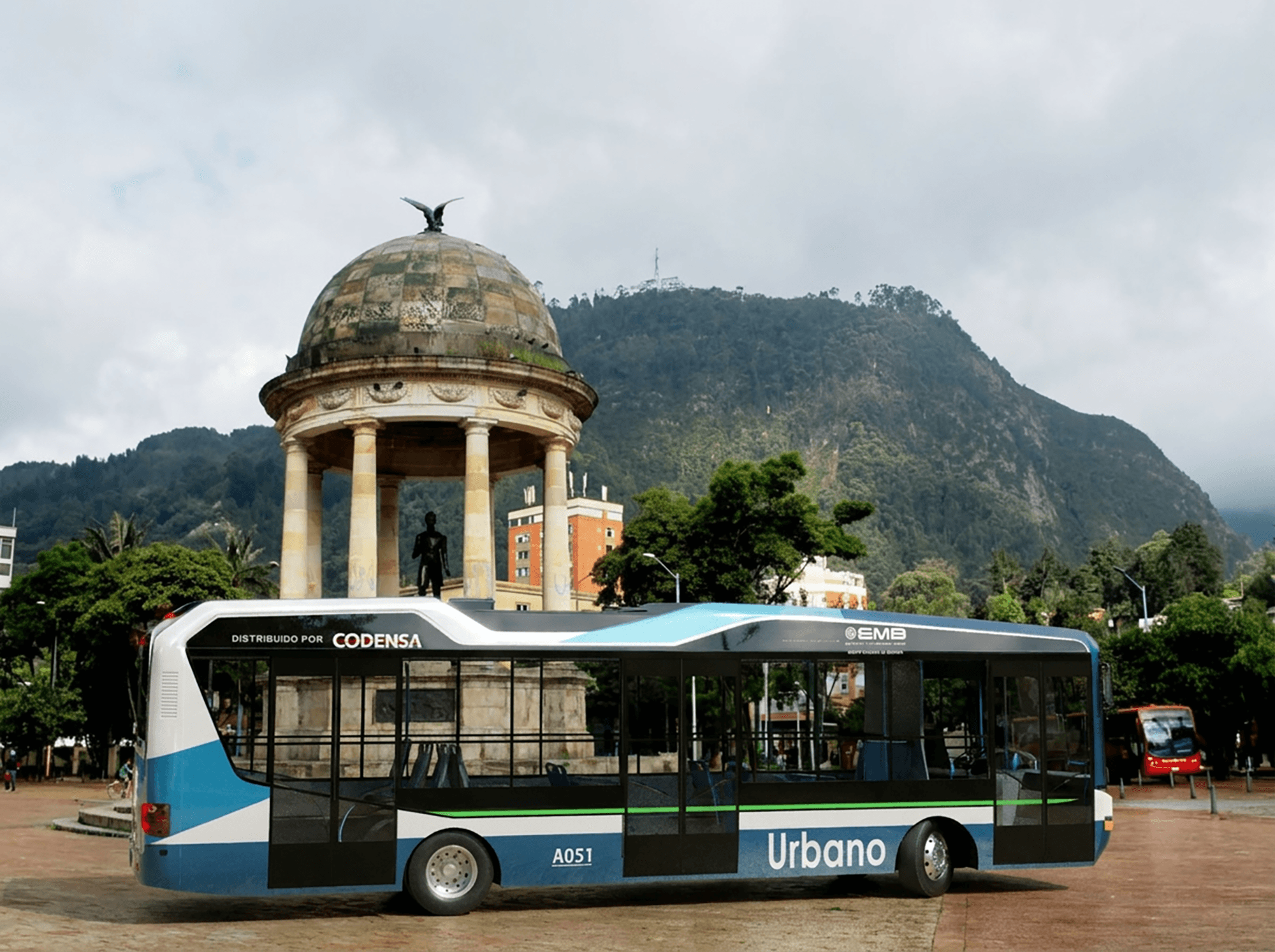
Working alongside Higer, Siemens, and researchers from the National University of Colombia, the team developed multiple future-oriented bus concepts exploring new vehicle architectures, exterior identities, interior layouts, CMF strategies, accessibility solutions, and operational improvements. Each proposal balanced engineering feasibility with a human-centered design approach tailored to Bogotá's evolving transportation needs.
Working alongside Higer, Siemens, and researchers from the National University of Colombia, the team developed multiple future-oriented bus concepts exploring new vehicle architectures, exterior identities, interior layouts, CMF strategies, accessibility solutions, and operational improvements. Each proposal balanced engineering feasibility with a human-centered design approach tailored to Bogotá's evolving transportation needs.
Design Driving Innovation
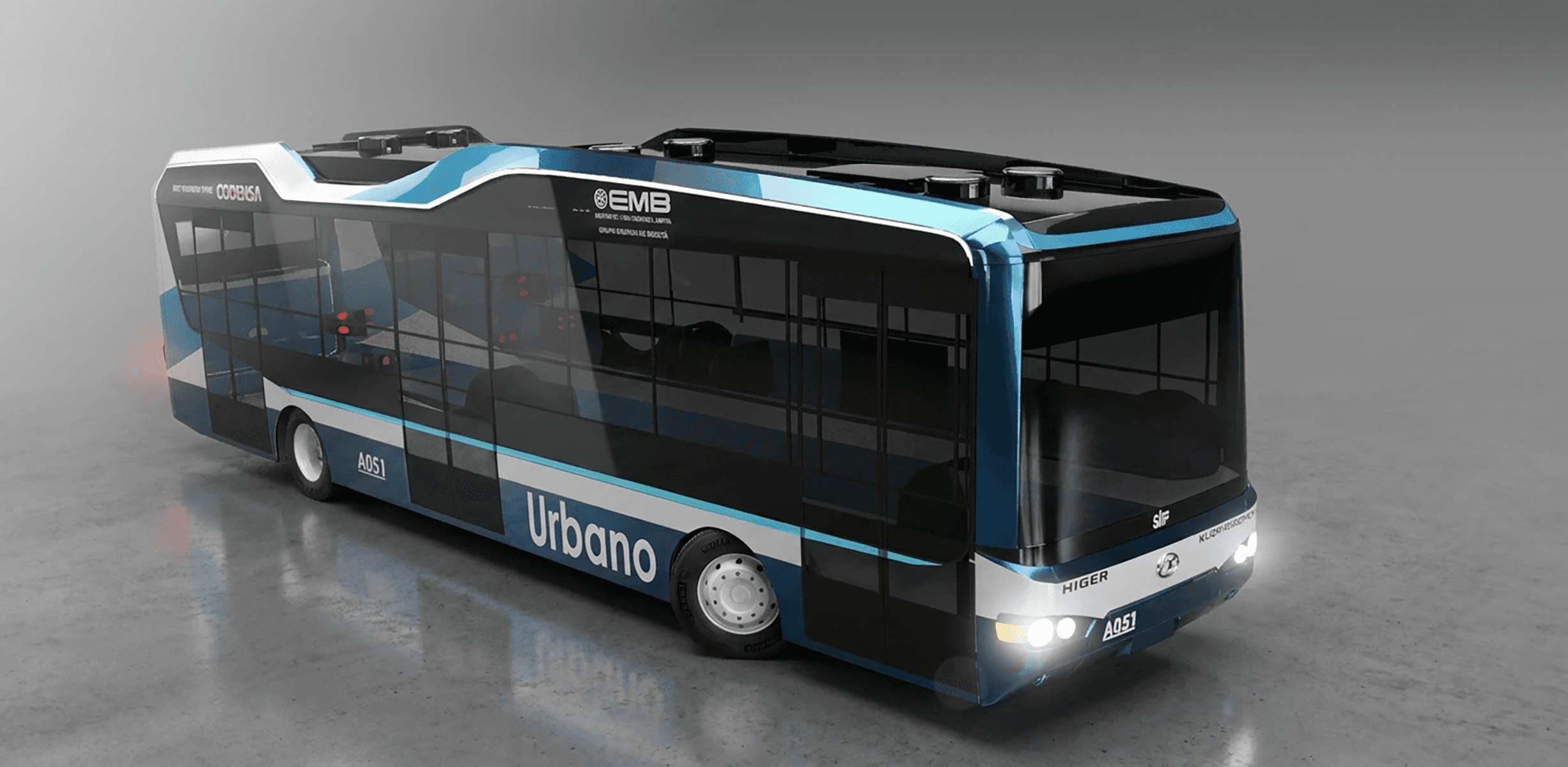
The project explored how emerging technologies could enhance public transportation while improving passenger experience, operational efficiency, and long-term sustainability through thoughtful industrial design.
The project explored how emerging technologies could enhance public transportation while improving passenger experience, operational efficiency, and long-term sustainability through thoughtful industrial design.
The concepts investigated alternative propulsion systems, digital passenger information, intelligent lighting, improved accessibility, modular interiors, and more efficient boarding strategies. Rather than focusing on a single technology, the project examined how multiple innovations could work together to create a smarter, safer, and more connected public transportation experience for one of Latin America's largest transit networks.
The concepts investigated alternative propulsion systems, digital passenger information, intelligent lighting, improved accessibility, modular interiors, and more efficient boarding strategies. Rather than focusing on a single technology, the project examined how multiple innovations could work together to create a smarter, safer, and more connected public transportation experience for one of Latin America's largest transit networks.


Designing Better Journeys
Every design decision was centered on improving how passengers interact with public transportation, creating vehicles that are more intuitive, accessible, comfortable, and visually connected to the city's identity.
Every design decision was centered on improving how passengers interact with public transportation, creating vehicles that are more intuitive, accessible, comfortable, and visually connected to the city's identity.
Beyond transportation performance, the project explored branding, wayfinding, seating layouts, lighting, color strategies, accessibility, and spatial organization to improve everyday commuting. The concepts demonstrated how industrial design could strengthen the emotional connection between people and public transportation while making large-scale transit systems easier to navigate and more enjoyable to use.
Beyond transportation performance, the project explored branding, wayfinding, seating layouts, lighting, color strategies, accessibility, and spatial organization to improve everyday commuting. The concepts demonstrated how industrial design could strengthen the emotional connection between people and public transportation while making large-scale transit systems easier to navigate and more enjoyable to use.
The Higer × Siemens Bus Project established the foundation for my career in transportation and mobility design. It reinforced the value of research-driven industrial design, multidisciplinary collaboration, and systems thinking when addressing complex urban challenges. More importantly, it demonstrated how design can shape not only vehicles, but the future experience of millions of people who rely on public transportation every day.
The Higer × Siemens Bus Project established the foundation for my career in transportation and mobility design. It reinforced the value of research-driven industrial design, multidisciplinary collaboration, and systems thinking when addressing complex urban challenges. More importantly, it demonstrated how design can shape not only vehicles, but the future experience of millions of people who rely on public transportation every day.
The Higer × Siemens Bus Project established the foundation for my career in transportation and mobility design. It reinforced the value of research-driven industrial design, multidisciplinary collaboration, and systems thinking when addressing complex urban challenges. More importantly, it demonstrated how design can shape not only vehicles, but the future experience of millions of people who rely on public transportation every day.
Head designer
Head designer
Mobility Observatory
Mobility Observatory
Team
Team
Mobility Observatory team
Mobility Observatory team
Company
Company
Universidad nacional de Colombia.
Universidad nacional de Colombia.
Universidad nacional de Colombia.









2026 alot_design® Studio722
Let’s design.
Tell us about your vision—whether you're looking to develop next-generation mobility, autonomous robotics, or market-ready industrial products.


Let’s design.
Tell us about your vision—whether you're looking to develop next-generation mobility, autonomous robotics, or market-ready industrial products.
2026 alot_design® Studio722
Let’s design.
Tell us about your vision—whether you're looking to develop next-generation mobility, autonomous robotics, or market-ready industrial products.