2026 a_l__o_t_design® Studio722
2026 a_l__o_t_design® Studio722
2026 a_l__o_t_design® Studio722

A Half-Size Train for Small Cities
A Half-Size Train for Small Cities
MUM (Medium Moiety Train) is a high-capacity Train Rapid Transit (TRT) system designed for dense urban environments. Operating on dedicated corridors, it delivers metro-level performance with lower infrastructure costs, faster deployment, and scalable expansion. The result is a sustainable, future-ready transit solution that improves mobility while significantly reducing construction time and investment.
MUM (Medium Moiety Train) is a high-capacity Train Rapid Transit (TRT) system designed for dense urban environments. Operating on dedicated corridors, it delivers metro-level performance with lower infrastructure costs, faster deployment, and scalable expansion. The result is a sustainable, future-ready transit solution that improves mobility while significantly reducing construction time and investment.
MUM (Medium Moiety Train) is a high-capacity Train Rapid Transit (TRT) system designed for dense urban environments. Operating on dedicated corridors, it delivers metro-level performance with lower infrastructure costs, faster deployment, and scalable expansion. The result is a sustainable, future-ready transit solution that improves mobility while significantly reducing construction time and investment.


Year
Year
Half-Size Train for Cities / 2016
Half-Size Train for Cities / 2016
Industry
Industry
Future Mobility / Rail Concept
Future Mobility / Rail Concept
Scope of work
Scope of work
/
01 - Mobility & Transportation
01 - Mobility & Transportation
01 - Mobility & Transportation
Timeline
Timeline
4 months
4 months
Lightweight Rail System
MUM reimagines urban rail transit through a lightweight underground system designed for dense cities. Combining high-capacity vehicles, compact infrastructure, and seamless multimodal integration, it offers a faster, more affordable alternative to conventional metro systems.
MUM reimagines urban rail transit through a lightweight underground system designed for dense cities. Combining high-capacity vehicles, compact infrastructure, and seamless multimodal integration, it offers a faster, more affordable alternative to conventional metro systems.
Unlike conventional subways, MUM uses a compact underground guideway that requires smaller tunnels and less civil infrastructure. Its lightweight vehicles and modular construction simplify implementation while maintaining high passenger capacity, frequent service, and operational efficiency. The result is a scalable rail system designed specifically for dense urban environments.
Unlike conventional subways, MUM uses a compact underground guideway that requires smaller tunnels and less civil infrastructure. Its lightweight vehicles and modular construction simplify implementation while maintaining high passenger capacity, frequent service, and operational efficiency. The result is a scalable rail system designed specifically for dense urban environments.


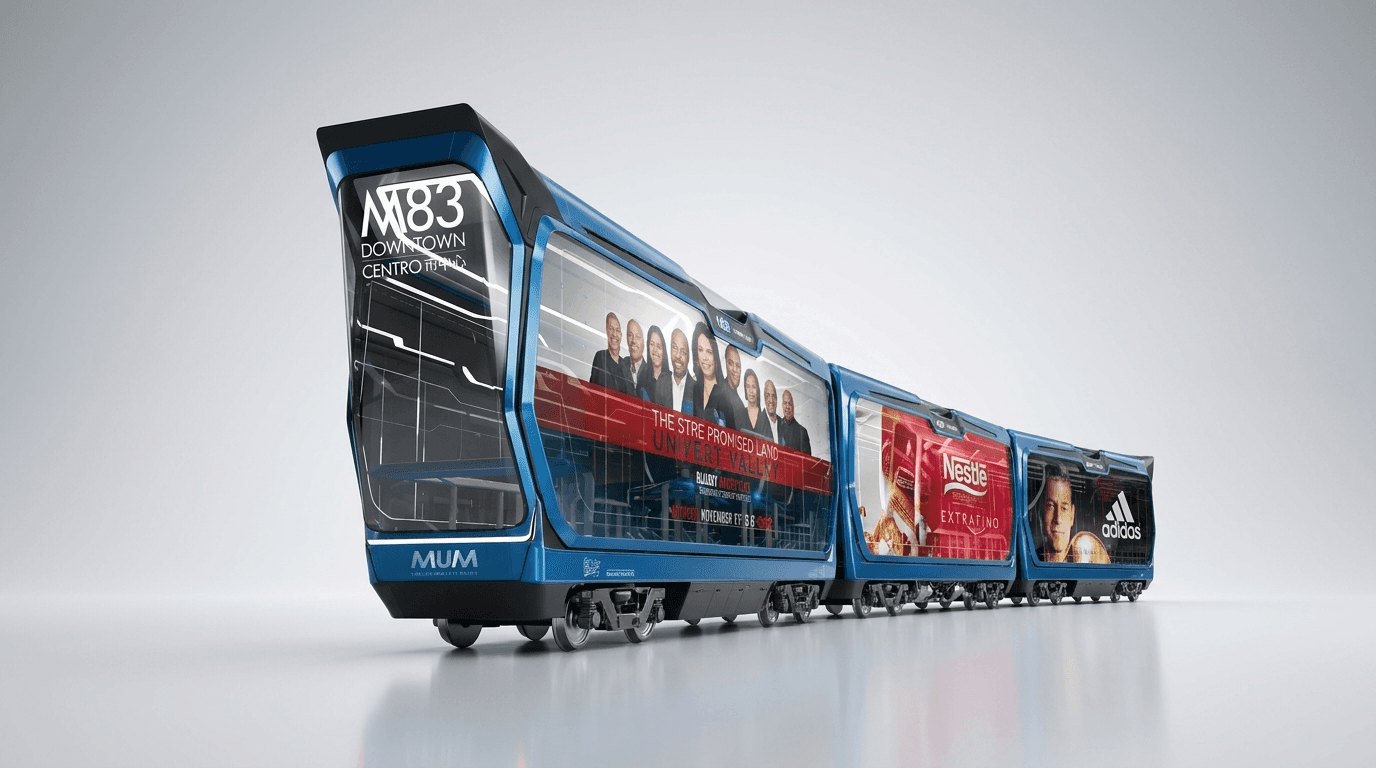
Accessible Urban Infrastructure
MUM rethinks rail infrastructure by making high-capacity transit easier to build and deploy. Its compact underground design minimizes excavation, reduces urban disruption, and enables cities to expand transportation networks more efficiently.
MUM rethinks rail infrastructure by making high-capacity transit easier to build and deploy. Its compact underground design minimizes excavation, reduces urban disruption, and enables cities to expand transportation networks more efficiently.
Unlike conventional subway systems that require massive tunnels and years of construction, MUM uses a lightweight underground guideway that fits within constrained urban corridors. By reducing excavation, structural complexity, and infrastructure requirements, the system lowers implementation costs, shortens construction timelines, and allows cities to deliver high-capacity transit with far less disruption to everyday urban life.
Unlike conventional subway systems that require massive tunnels and years of construction, MUM uses a lightweight underground guideway that fits within constrained urban corridors. By reducing excavation, structural complexity, and infrastructure requirements, the system lowers implementation costs, shortens construction timelines, and allows cities to deliver high-capacity transit with far less disruption to everyday urban life.

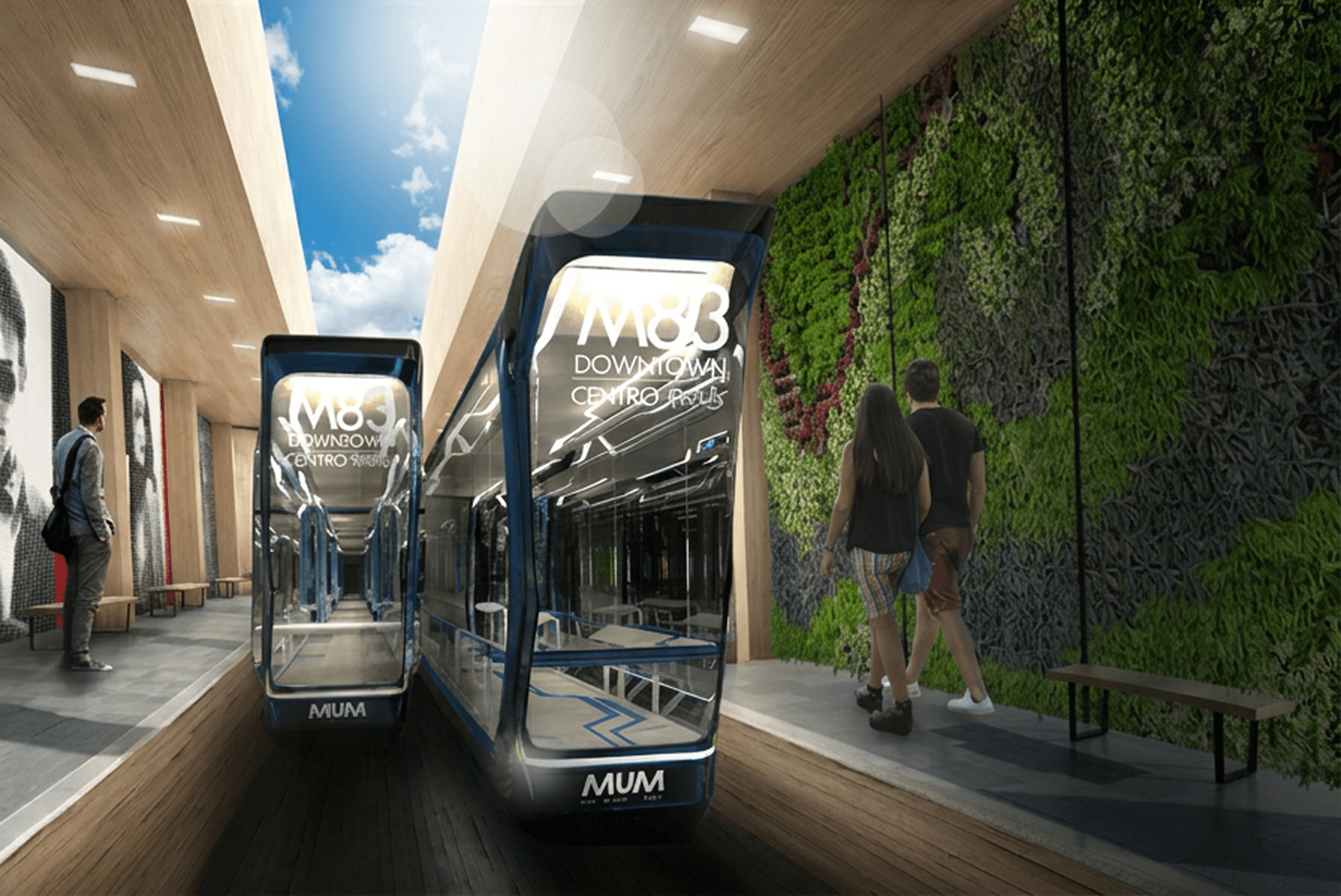

Connected Mobility Network
MUM was designed to strengthen existing transportation networks, creating seamless connections between multiple modes of travel while improving accessibility, reducing transfers, and delivering a more efficient urban mobility experience.
MUM was designed to strengthen existing transportation networks, creating seamless connections between multiple modes of travel while improving accessibility, reducing transfers, and delivering a more efficient urban mobility experience.
Rather than replacing existing transit, MUM serves as the backbone of an integrated mobility ecosystem. It connects seamlessly with buses, metro lines, commuter rail, cycling infrastructure, and pedestrian networks, allowing passengers to move efficiently between transportation modes with minimal friction. By reducing transfer times, increasing service reliability, and improving network connectivity, the system encourages greater use of public transportation while reducing dependence on private vehicles. This multimodal approach creates a more resilient, accessible, and future-ready urban transit network capable of adapting to the evolving needs of growing cities.
Rather than replacing existing transit, MUM serves as the backbone of an integrated mobility ecosystem. It connects seamlessly with buses, metro lines, commuter rail, cycling infrastructure, and pedestrian networks, allowing passengers to move efficiently between transportation modes with minimal friction. By reducing transfer times, increasing service reliability, and improving network connectivity, the system encourages greater use of public transportation while reducing dependence on private vehicles. This multimodal approach creates a more resilient, accessible, and future-ready urban transit network capable of adapting to the evolving needs of growing cities.


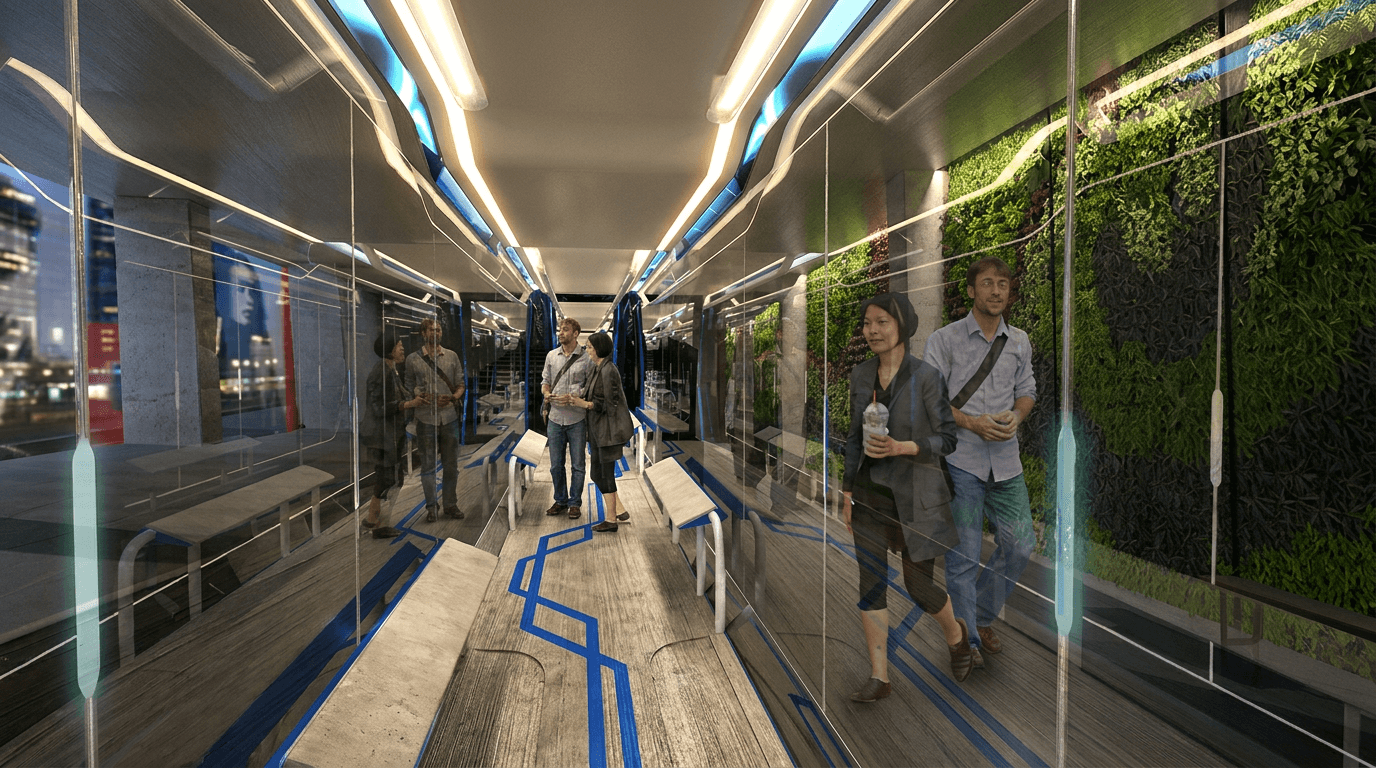
Human-Centered Infrastructure
The future of transit depends not only on moving people more efficiently, but on building infrastructure that is easier, faster, and more economical to implement. MUM reimagines rail construction through a lightweight, scalable approach designed for modern cities.
The future of transit depends not only on moving people more efficiently, but on building infrastructure that is easier, faster, and more economical to implement. MUM reimagines rail construction through a lightweight, scalable approach designed for modern cities.
MUM challenges the conventional subway model by replacing heavy underground infrastructure with a compact transit system that requires smaller tunnels, simplified civil works, and significantly less construction. This approach reduces costs, shortens deployment timelines, and minimizes disruption to existing urban environments while maintaining the capacity and reliability of a traditional metro. By reducing its physical and financial footprint, MUM enables cities to expand public transportation more rapidly, sustainably, and with greater flexibility as urban mobility demands continue to evolve.
MUM challenges the conventional subway model by replacing heavy underground infrastructure with a compact transit system that requires smaller tunnels, simplified civil works, and significantly less construction. This approach reduces costs, shortens deployment timelines, and minimizes disruption to existing urban environments while maintaining the capacity and reliability of a traditional metro. By reducing its physical and financial footprint, MUM enables cities to expand public transportation more rapidly, sustainably, and with greater flexibility as urban mobility demands continue to evolve.
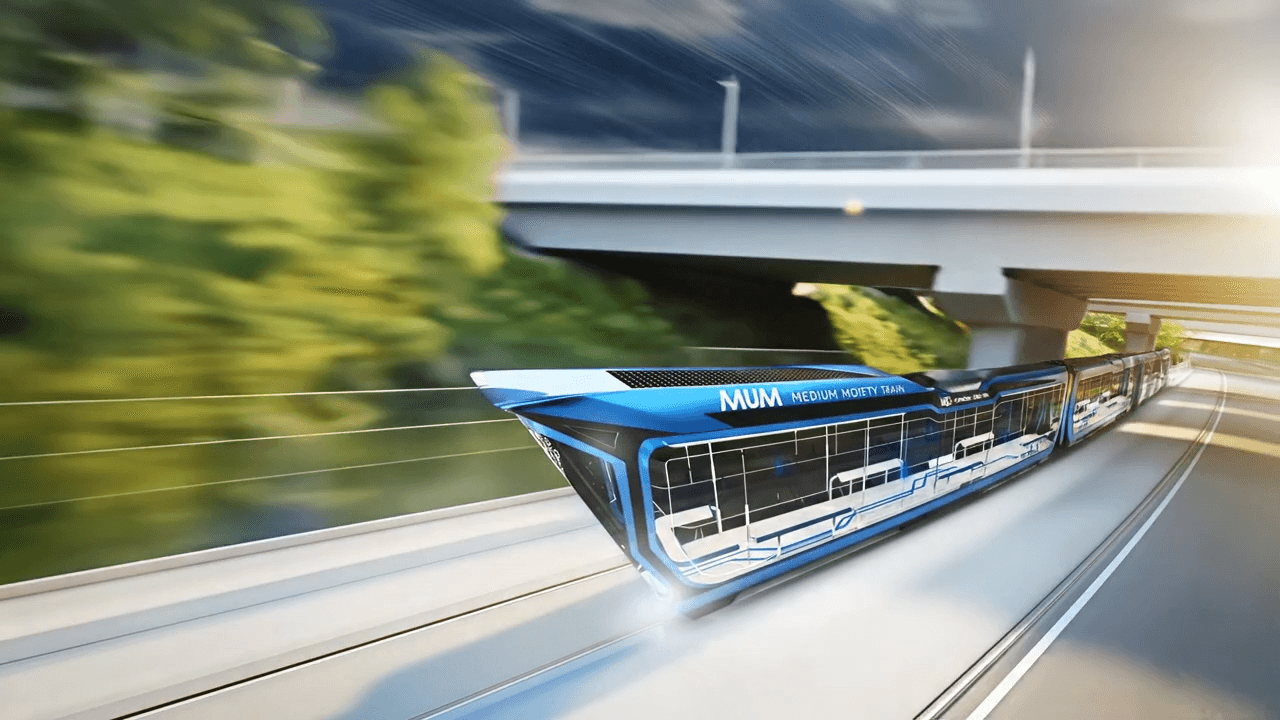
Silver Award | RVID International Train Design Competition 2016 Awarded at the 1st International Train Design Competition in Qingdao, China. Organized by RVID and CRRC Sifang, the event brought together leading transportation designers and industry experts to explore the future of rail mobility. 2016 Organizers & Partners RVID • CRRC Sifang • PriestmanGoode • Puli Innovation • International Council of Design • China Railway Society • Tsinghua (Qingdao) Academy of Arts Innovation Research • China Industrial Design Association • National Industrial Design Center of CRRC Sifang • Hong Kong Design Centre • Tianjin Association of Design
Silver Award | RVID International Train Design Competition 2016 Awarded at the 1st International Train Design Competition in Qingdao, China. Organized by RVID and CRRC Sifang, the event brought together leading transportation designers and industry experts to explore the future of rail mobility. 2016 Organizers & Partners RVID • CRRC Sifang • PriestmanGoode • Puli Innovation • International Council of Design • China Railway Society • Tsinghua (Qingdao) Academy of Arts Innovation Research • China Industrial Design Association • National Industrial Design Center of CRRC Sifang • Hong Kong Design Centre • Tianjin Association of Design
Silver Award | RVID International Train Design Competition 2016 Awarded at the 1st International Train Design Competition in Qingdao, China. Organized by RVID and CRRC Sifang, the event brought together leading transportation designers and industry experts to explore the future of rail mobility. 2016 Organizers & Partners RVID • CRRC Sifang • PriestmanGoode • Puli Innovation • International Council of Design • China Railway Society • Tsinghua (Qingdao) Academy of Arts Innovation Research • China Industrial Design Association • National Industrial Design Center of CRRC Sifang • Hong Kong Design Centre • Tianjin Association of Design
Head designer
Head designer
Alejandro Otálora
Alejandro Otálora
Team
Team
a_l__o_t_design
a_l__o_t_design
Company
Company
studio 722
studio 722
studio 722









2026 alot_design® Studio722
Let’s design.
Tell us about your vision—whether you're looking to develop next-generation mobility, autonomous robotics, or market-ready industrial products.


Let’s design.
Tell us about your vision—whether you're looking to develop next-generation mobility, autonomous robotics, or market-ready industrial products.
2026 alot_design® Studio722
Let’s design.
Tell us about your vision—whether you're looking to develop next-generation mobility, autonomous robotics, or market-ready industrial products.