2026 a_l__o_t_design® Studio722
2026 a_l__o_t_design® Studio722
2026 a_l__o_t_design® Studio722

Adaptive Public Transit Concept
Adaptive Public Transit Concept
ONDA is a next-generation adaptive public transit concept designed for the cities of 2040. Inspired by the fluid movement of a wave, the system travels underground at high speed and gently emerges to street level at strategic stations, allowing passengers to board without relying on elevators, bridges, or deep underground access. By bringing transit closer to people instead of forcing people to navigate complex infrastructure, ONDA creates a faster, more inclusive, and human-centered mobility experience.
ONDA is a next-generation adaptive public transit concept designed for the cities of 2040. Inspired by the fluid movement of a wave, the system travels underground at high speed and gently emerges to street level at strategic stations, allowing passengers to board without relying on elevators, bridges, or deep underground access. By bringing transit closer to people instead of forcing people to navigate complex infrastructure, ONDA creates a faster, more inclusive, and human-centered mobility experience.
ONDA is a next-generation adaptive public transit concept designed for the cities of 2040. Inspired by the fluid movement of a wave, the system travels underground at high speed and gently emerges to street level at strategic stations, allowing passengers to board without relying on elevators, bridges, or deep underground access. By bringing transit closer to people instead of forcing people to navigate complex infrastructure, ONDA creates a faster, more inclusive, and human-centered mobility experience.


Year
Year
Adaptive Urban Transit / 2018
Adaptive Urban Transit / 2018
Industry
Industry
Future Mobility / Double-Deck Rail Concept
Future Mobility / Double-Deck Rail Concept
Scope of work
Scope of work
/
01 - Mobility & Transportation
01 - Mobility & Transportation
01 - Mobility & Transportation
Timeline
Timeline
8 weeks
8 weeks
The System
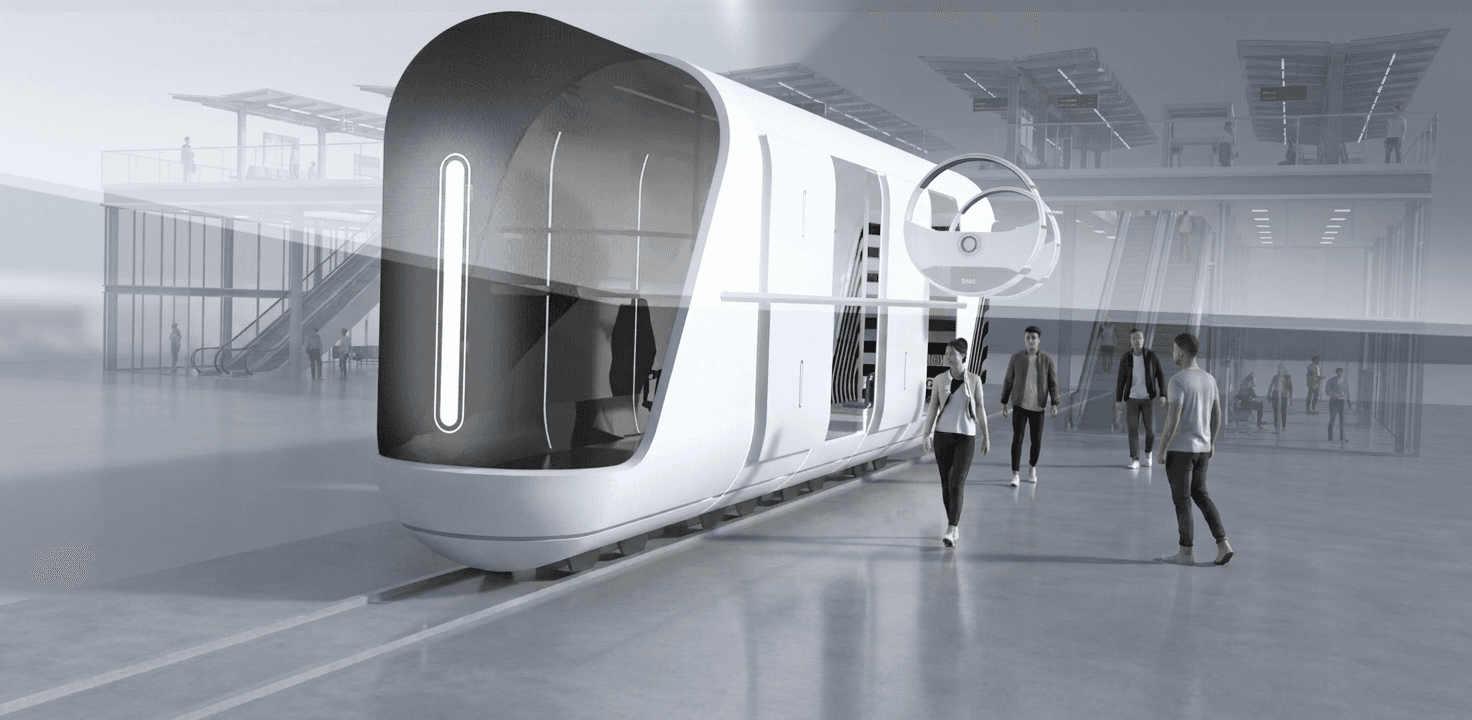
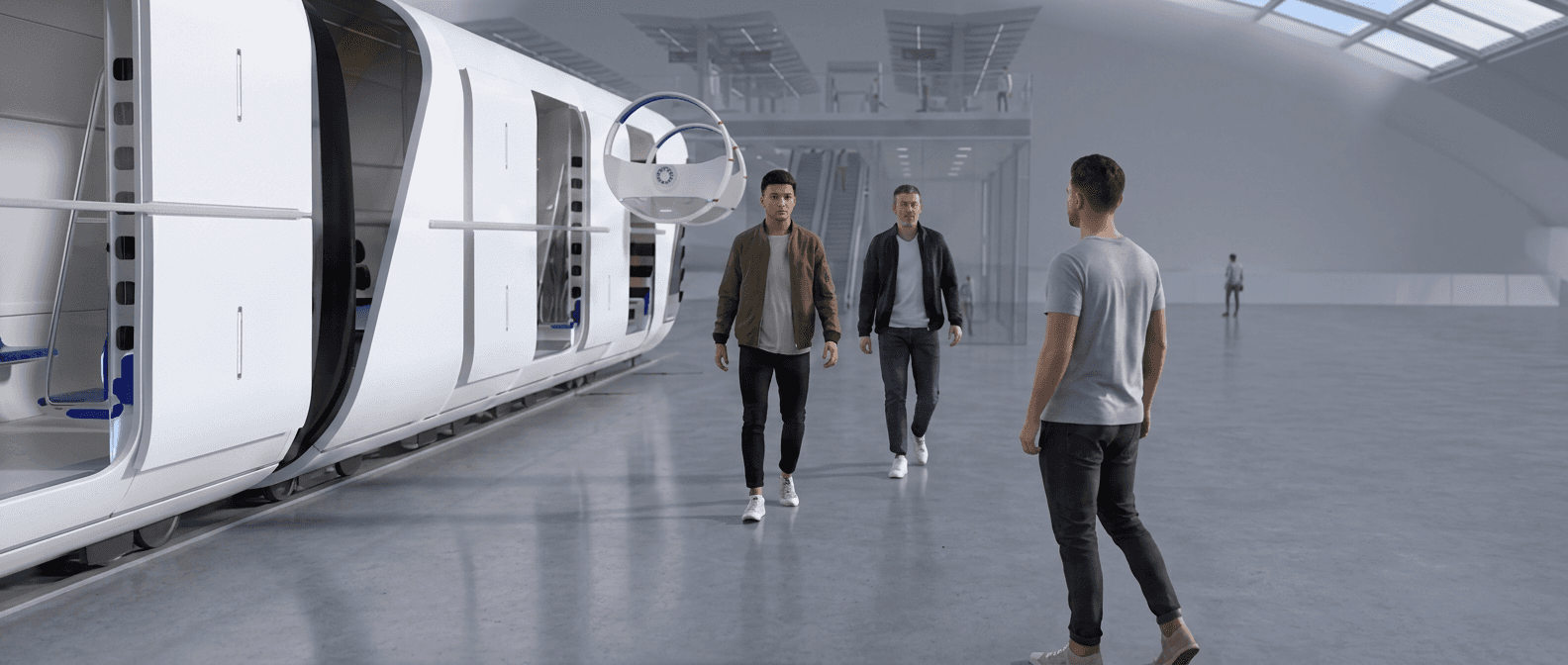
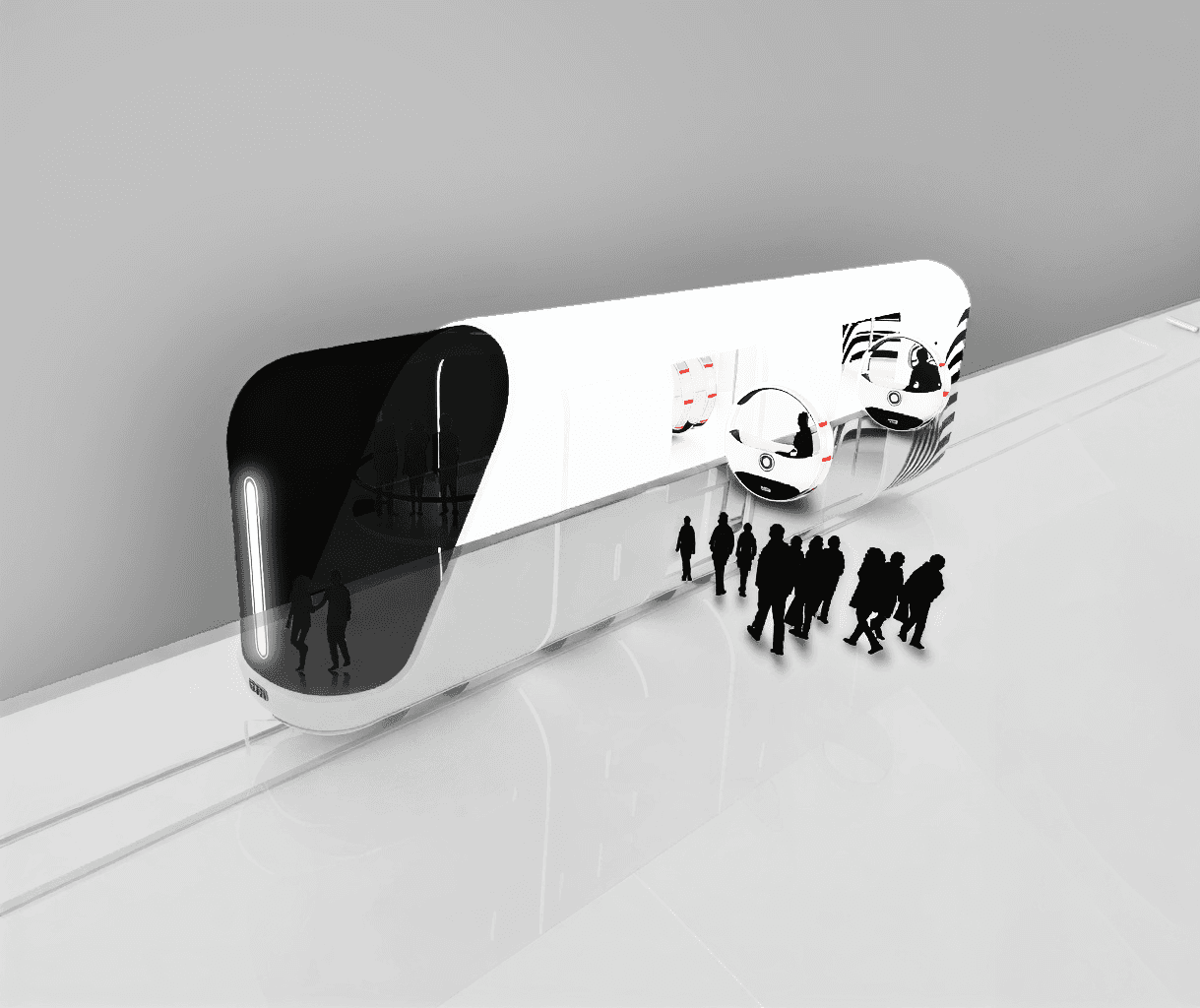
ONDA reimagines how urban transit connects with the city. Instead of requiring passengers to descend into large underground stations, the vehicles partially rise to street level at key locations.
ONDA reimagines how urban transit connects with the city. Instead of requiring passengers to descend into large underground stations, the vehicles partially rise to street level at key locations.
Creating seamless, barrier-free boarding for pedestrians, cyclists, wheelchair users, families with strollers, and travelers with luggage. This adaptive approach simplifies the passenger experience while making public transportation accessible to everyone.
Creating seamless, barrier-free boarding for pedestrians, cyclists, wheelchair users, families with strollers, and travelers with luggage. This adaptive approach simplifies the passenger experience while making public transportation accessible to everyone.


Technology & Impact
Combining the speed and capacity of a subway with the convenience of surface transit, ONDA operates through an adaptive underground network that only emerges where direct street-level access is needed.
Combining the speed and capacity of a subway with the convenience of surface transit, ONDA operates through an adaptive underground network that only emerges where direct street-level access is needed.
By minimizing the need for large station structures and complex vertical circulation systems, the concept reduces infrastructure costs, preserves valuable urban space, and creates a more sustainable, connected, and universally accessible public transportation system for future cities.
By minimizing the need for large station structures and complex vertical circulation systems, the concept reduces infrastructure costs, preserves valuable urban space, and creates a more sustainable, connected, and universally accessible public transportation system for future cities.



Redefining Accessible Urban Transit
ONDA demonstrates how adaptive infrastructure can transform public transportation by making high-capacity transit more accessible, efficient, and human-centered.
ONDA demonstrates how adaptive infrastructure can transform public transportation by making high-capacity transit more accessible, efficient, and human-centered.
By merging underground speed with street-level accessibility, ONDA challenges conventional transit systems and proposes a future where mobility is seamless, inclusive, and integrated into the everyday life of the city.
By merging underground speed with street-level accessibility, ONDA challenges conventional transit systems and proposes a future where mobility is seamless, inclusive, and integrated into the everyday life of the city.
Highly recommend | 2rd International Train Design Competition Recipient of the Bronze Award at the 3rd International Train Design Competition, held in Qingdao, China (2018). Organized by RVID and CRRC Sifang, the competition brought together leading transportation designers, industry experts, and global organizations to explore innovative solutions for the future of rail mobility. Organizers & Partners RVID • CRRC Sifang • World Design Organization (WDO) • PriestmanGoode • Puli Innovation • International Council of Design (ico-D) • China Railway Society • Tsinghua (Qingdao) Academy of Arts Innovation Research • China Industrial Design Association • National Industrial Design Center of CRRC Sifang • Hong Kong Design Centre • Tianjin Association of Design
Highly recommend | 2rd International Train Design Competition Recipient of the Bronze Award at the 3rd International Train Design Competition, held in Qingdao, China (2018). Organized by RVID and CRRC Sifang, the competition brought together leading transportation designers, industry experts, and global organizations to explore innovative solutions for the future of rail mobility. Organizers & Partners RVID • CRRC Sifang • World Design Organization (WDO) • PriestmanGoode • Puli Innovation • International Council of Design (ico-D) • China Railway Society • Tsinghua (Qingdao) Academy of Arts Innovation Research • China Industrial Design Association • National Industrial Design Center of CRRC Sifang • Hong Kong Design Centre • Tianjin Association of Design
Highly recommend | 2rd International Train Design Competition Recipient of the Bronze Award at the 3rd International Train Design Competition, held in Qingdao, China (2018). Organized by RVID and CRRC Sifang, the competition brought together leading transportation designers, industry experts, and global organizations to explore innovative solutions for the future of rail mobility. Organizers & Partners RVID • CRRC Sifang • World Design Organization (WDO) • PriestmanGoode • Puli Innovation • International Council of Design (ico-D) • China Railway Society • Tsinghua (Qingdao) Academy of Arts Innovation Research • China Industrial Design Association • National Industrial Design Center of CRRC Sifang • Hong Kong Design Centre • Tianjin Association of Design
Head designer
Head designer
Alejandro Otálora
Alejandro Otálora
Team
Team
Alejandro Otálora
Alejandro Otálora
Company
Company
a_l__o_t_design
a_l__o_t_design
a_l__o_t_design









2026 alot_design® Studio722
Let’s design.
Tell us about your vision—whether you're looking to develop next-generation mobility, autonomous robotics, or market-ready industrial products.


Let’s design.
Tell us about your vision—whether you're looking to develop next-generation mobility, autonomous robotics, or market-ready industrial products.
2026 alot_design® Studio722
Let’s design.
Tell us about your vision—whether you're looking to develop next-generation mobility, autonomous robotics, or market-ready industrial products.