2026 a_l__o_t_design® Studio722
2026 a_l__o_t_design® Studio722
2026 a_l__o_t_design® Studio722

Reimagining personal Last Mile
Reimagining personal Last Mile
Cities have evolved around transportation systems, yet the final stretch of every journey remains fragmented. Rolotich explored how autonomous mobility could bridge that gap through a seamless ecosystem of robotics, digital services, and human-centered design, making urban transportation more connected, accessible, and intelligent.
Cities have evolved around transportation systems, yet the final stretch of every journey remains fragmented. Rolotich explored how autonomous mobility could bridge that gap through a seamless ecosystem of robotics, digital services, and human-centered design, making urban transportation more connected, accessible, and intelligent.
Cities have evolved around transportation systems, yet the final stretch of every journey remains fragmented. Rolotich explored how autonomous mobility could bridge that gap through a seamless ecosystem of robotics, digital services, and human-centered design, making urban transportation more connected, accessible, and intelligent.

Year
Year
On-Demand Autonomous Vehicle / 2019
On-Demand Autonomous Vehicle / 2019
Industry
Industry
Personal Mobility, Autonomous Robots
Personal Mobility, Autonomous Robots
Scope of work
Scope of work
/
03 - Industrial Product Design
03 - Industrial Product Design
03 - Industrial Product Design
/
02 - Robotics & Autonomous Systems
02 - Robotics & Autonomous Systems
02 - Robotics & Autonomous Systems
/
01 - Mobility & Transportation
01 - Mobility & Transportation
01 - Mobility & Transportation
Timeline
Timeline
4 months
4 months
Designing the Vehicle
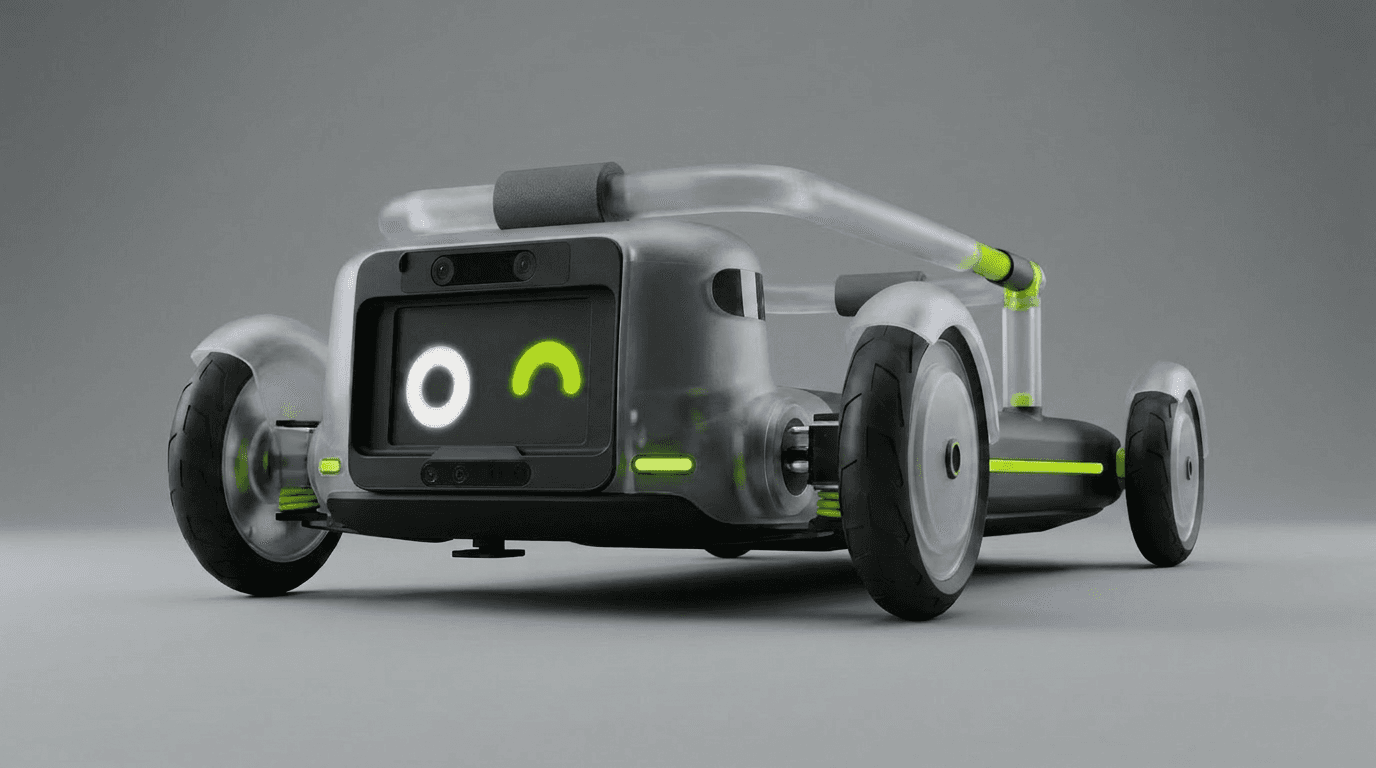
Rolotich was conceived around a simple question: What if the vehicle came to the user instead of the user searching for the vehicle? That shift fundamentally changes the relationship between people and urban mobility.
Rolotich was conceived around a simple question: What if the vehicle came to the user instead of the user searching for the vehicle? That shift fundamentally changes the relationship between people and urban mobility.
Rolotich reimagined the scooter as an autonomous robotic platform instead of a personal vehicle. Designed around modular engineering, perception sensors, and intelligent navigation, each unit could safely travel to the user while operating as part of a connected fleet. The industrial design balanced manufacturability, reliability, and an intuitive human experience.
Rolotich reimagined the scooter as an autonomous robotic platform instead of a personal vehicle. Designed around modular engineering, perception sensors, and intelligent navigation, each unit could safely travel to the user while operating as part of a connected fleet. The industrial design balanced manufacturability, reliability, and an intuitive human experience.


Designing the Service
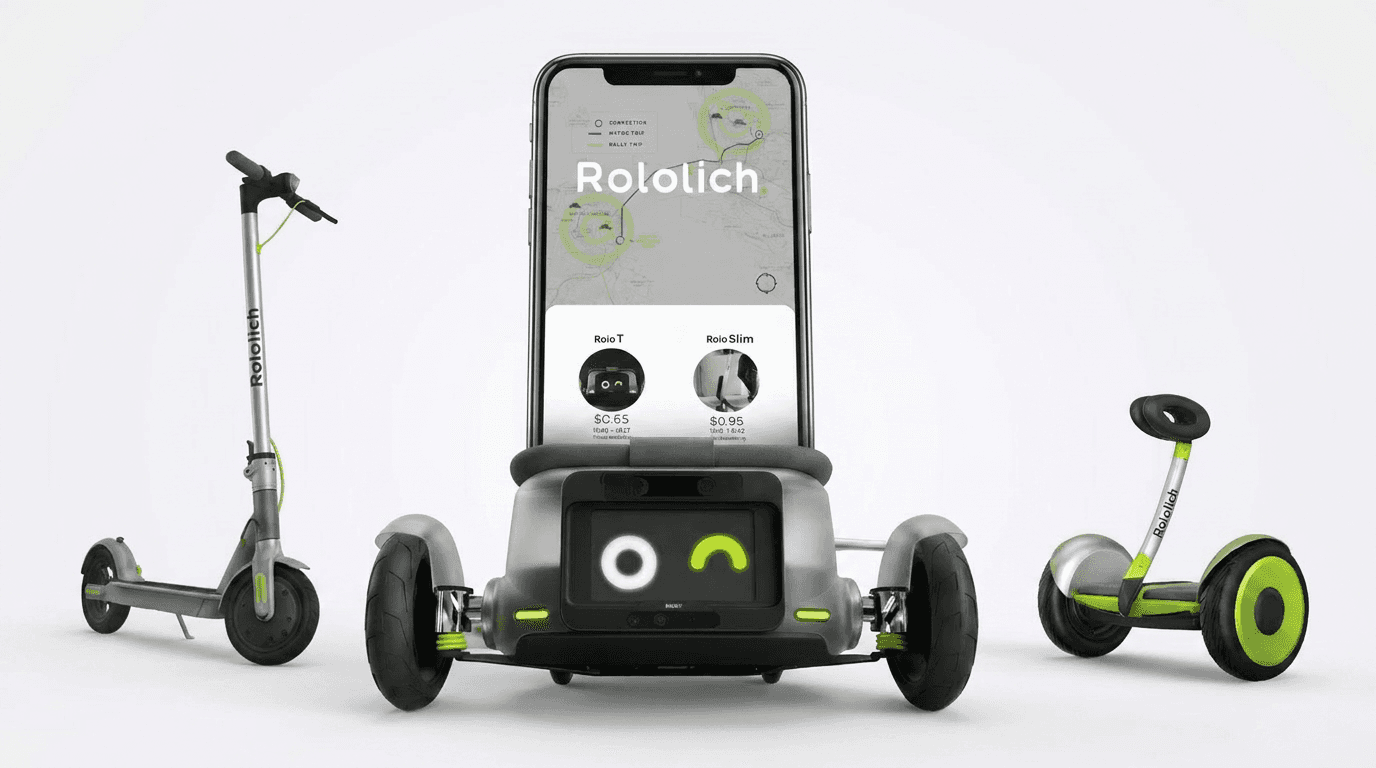
The physical product was only half of the experience. The real innovation emerged through the service layer that connected people, vehicles, and the city into a single ecosystem.
The physical product was only half of the experience. The real innovation emerged through the service layer that connected people, vehicles, and the city into a single ecosystem.
The mobile application transformed a complex robotic system into a frictionless experience. Users simply requested a vehicle, while the platform managed routing, fleet distribution, battery status, and real-time availability. Rather than controlling a scooter, the app orchestrated an intelligent mobility network designed to make autonomy feel effortless.
The mobile application transformed a complex robotic system into a frictionless experience. Users simply requested a vehicle, while the platform managed routing, fleet distribution, battery status, and real-time availability. Rather than controlling a scooter, the app orchestrated an intelligent mobility network designed to make autonomy feel effortless.


Designing Connected Mobility
Rolotich was never intended to replace public transportation. Instead, it was designed to unlock its full potential. Most transportation systems perform remarkably well over long distances, yet they often fail during the final few hundred meters. That small disconnect influences how people choose to travel, frequently pushing them toward private vehicles instead.
Rolotich was never intended to replace public transportation. Instead, it was designed to unlock its full potential. Most transportation systems perform remarkably well over long distances, yet they often fail during the final few hundred meters. That small disconnect influences how people choose to travel, frequently pushing them toward private vehicles instead.
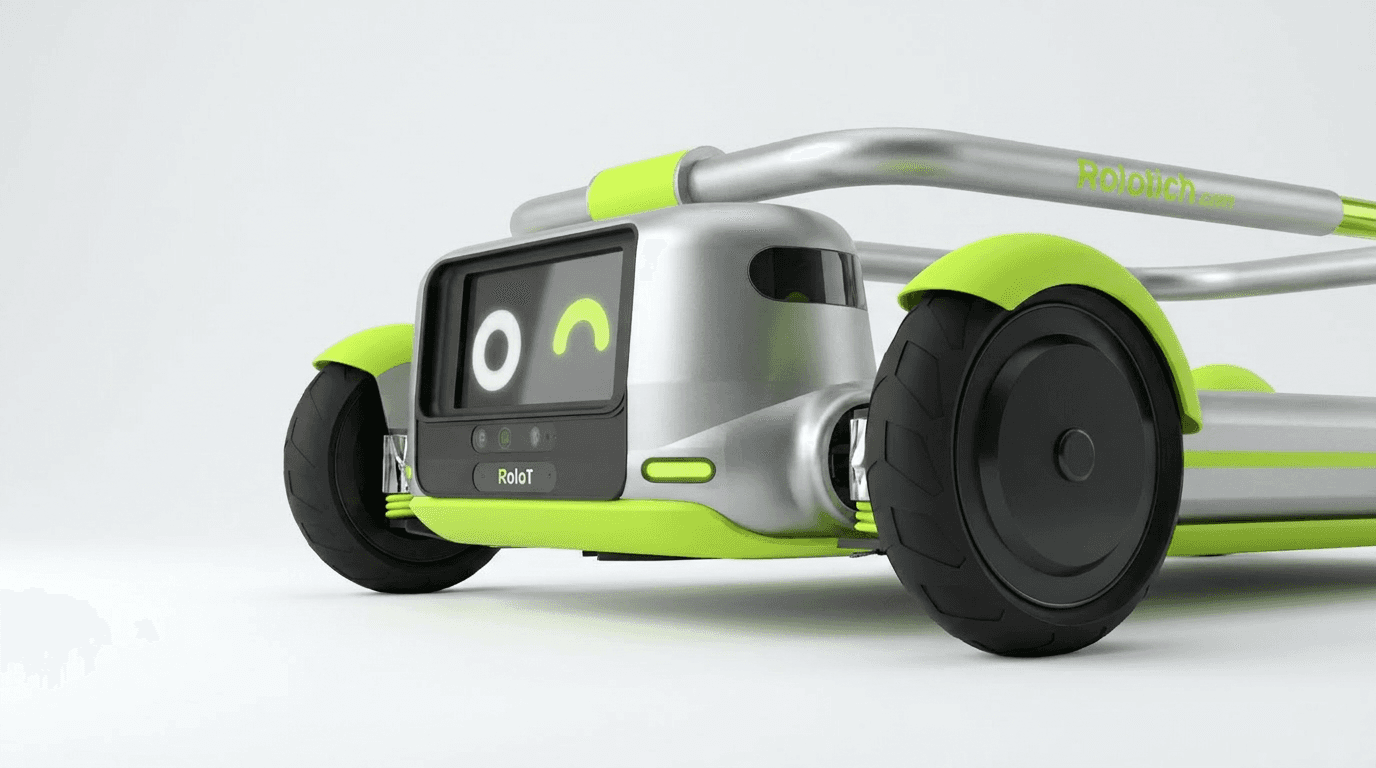
Rolotich complemented existing transportation instead of replacing it. By connecting autonomous vehicles with metro, bus, and rail systems, the platform solved the last-mile challenge through a seamless multimodal journey. The result was a more efficient transportation ecosystem where every mode worked together as one continuous experience.
Rolotich complemented existing transportation instead of replacing it. By connecting autonomous vehicles with metro, bus, and rail systems, the platform solved the last-mile challenge through a seamless multimodal journey. The result was a more efficient transportation ecosystem where every mode worked together as one continuous experience.

Beyond Transportation
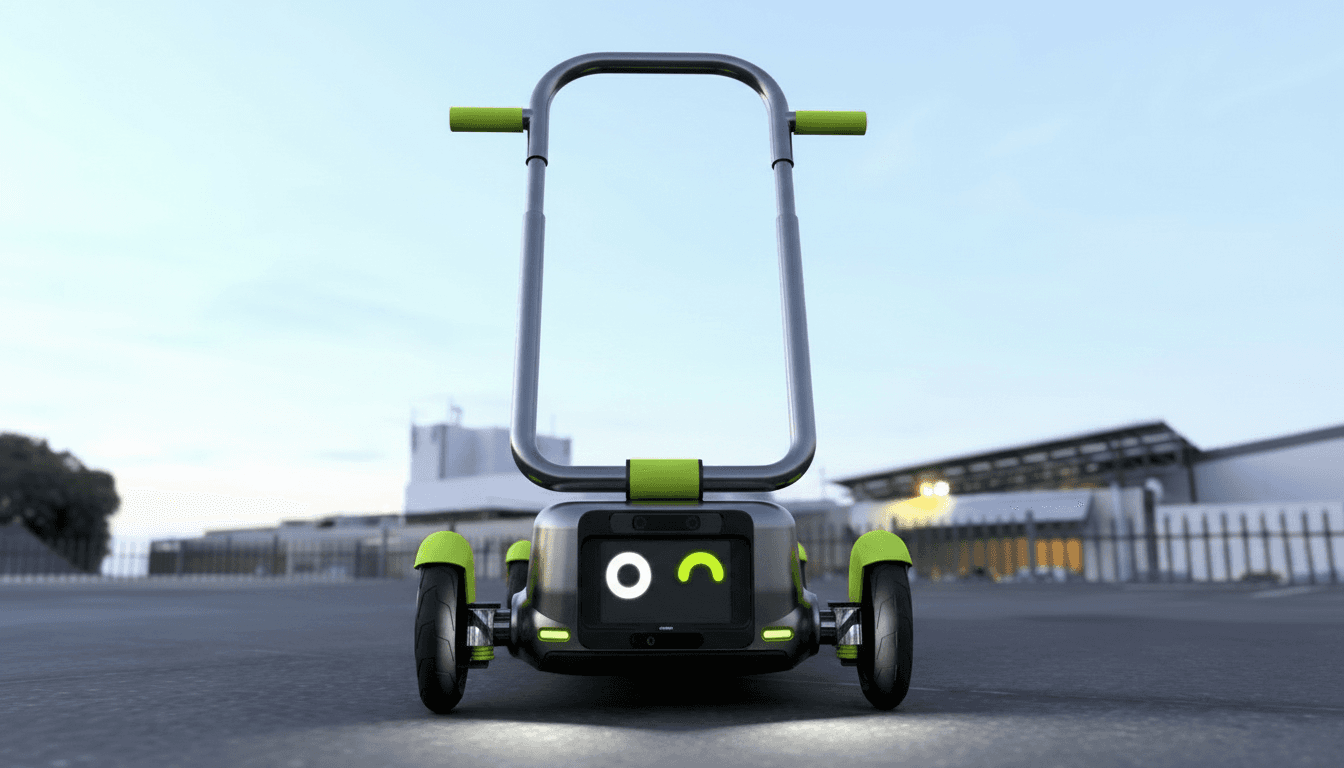
The project extends beyond autonomous vehicles to envision an intelligent mobility infrastructure capable of adapting to changing demand, collecting operational insights, and continuously optimizing itself. Every robot functions as both a transportation device and a connected node within a larger autonomous network.
The project extends beyond autonomous vehicles to envision an intelligent mobility infrastructure capable of adapting to changing demand, collecting operational insights, and continuously optimizing itself. Every robot functions as both a transportation device and a connected node within a larger autonomous network.
Rolotich explored robotics as urban infrastructure rather than a standalone product. Every vehicle acted as a connected node capable of collecting data, adapting to demand, and improving fleet performance over time. The project combined industrial design, service design, and systems thinking into a scalable vision for future mobility.
Rolotich explored robotics as urban infrastructure rather than a standalone product. Every vehicle acted as a connected node capable of collecting data, adapting to demand, and improving fleet performance over time. The project combined industrial design, service design, and systems thinking into a scalable vision for future mobility.
Rolotich became the foundation for a broader robotics venture. Its research, prototypes, and design vision evolved into a scalable product strategy, helping shape multidisciplinary teams, validate the concept, and support funding efforts in the United States. More than a mobility project, it reinforced my belief that the most impactful innovations are thoughtfully designed systems—not standalone products.
Rolotich became the foundation for a broader robotics venture. Its research, prototypes, and design vision evolved into a scalable product strategy, helping shape multidisciplinary teams, validate the concept, and support funding efforts in the United States. More than a mobility project, it reinforced my belief that the most impactful innovations are thoughtfully designed systems—not standalone products.
Rolotich became the foundation for a broader robotics venture. Its research, prototypes, and design vision evolved into a scalable product strategy, helping shape multidisciplinary teams, validate the concept, and support funding efforts in the United States. More than a mobility project, it reinforced my belief that the most impactful innovations are thoughtfully designed systems—not standalone products.
Head designer
Head designer
Alejandro Otálora
Alejandro Otálora
Team
Team
Alejandro Otálora, Erika Ospina
Alejandro Otálora, Erika Ospina
Company
Company
Rolotich
Rolotich
Rolotich









2026 alot_design® Studio722
Let’s design.
Tell us about your vision—whether you're looking to develop next-generation mobility, autonomous robotics, or market-ready industrial products.


Let’s design.
Tell us about your vision—whether you're looking to develop next-generation mobility, autonomous robotics, or market-ready industrial products.
2026 alot_design® Studio722
Let’s design.
Tell us about your vision—whether you're looking to develop next-generation mobility, autonomous robotics, or market-ready industrial products.